Trusted by
2M+ Beneficiaries



Exploring the Intricacies of Pediatric Acute Liver Failure in Saudi Arabia
A pioneering study conducted at our center, King Fahad Specialist Hospital in Dammam, has provided critical insights into pediatric acute liver failure (PALF) in Saudi Arabia. This retrospective study, based on 46 cases managed over an eight-year period, off ers valuable data on the etiologies, clinical outcomes, and prognostic indicators associated with PALF. The median age at diagnosis in our cohort was 12 months, with 37% of patients being under one year of age. At the time of admission, the majority of patients were in critical condition, with 78% requiring intensive care unit support. Notably, 56.5% of the patients showed clinical improvement with supportive medical management alone, while 8.7% underwent liver transplantation.
A substantial proportion of cases (45.6%) had an indeterminate etiology, underscoring the diagnostic challenges in PALF. Our findings emphasize the importance of early recognition and timely intervention in improving patient outcomes. Key prognostic indicators ass ociated with poor outcomes included elevated bilirubin levels, coagulopathy, and the presence of encephalopathy. These results highlight the urgent need f or dedicated pediatric liver centers and a multidisciplinary approach to care. Additionally, our study advocates for further research in to the underlying causes of indeterminate PALF to facilitate the development of targeted therapies and optimized management strategies.
The study underscores the growing importance of genetic testing in diagnosing Pediatric Acute Liver Failure (PALF), especially f or younger patients. Genetic and metabolic disorders emerged as the most prevalent identifiable causes, accounting for 15.2% of cas es, with a higher incidence in infants. Genetic testing, conducted in 67% of patients, successfully yielded a diagnosis in 19.4% of cas es. The identified conditions encompassed a range of autosomal recessive disorders, including NBAS deficiency, tyrosinemia, mitochondr ial hepatopathies, and Niemann-Pickdisease. These findings highlight the significant role of trio-based whole-exome sequencing in refining diagnoses, guiding treatment str ategies, and providing valuable information for family counseling. The study emphasizes that early genetic testing can be particularly adv antageous incases where the cause is indeterminate or atypical, potentially leading to improved outcomes and enhanced patient care. Further more, theresearch suggests that integrating genetic testing into the standard diagnostic protocol for PALF could significantly enhance the accuracy andspeed of diagnosis, ultimately contributing to more targeted and effective treatment approaches.
Our study conducted at our center identified several key predictors of poor outcomes in pediatric acute liver failure (PALF), including younger age, elevated international normalized ratio (INR), lower Glasgow Coma Scale (GCS) score at presentation, admission to the intensive care unit (ICU), and the requirement for inotropic support or mechanical ventilation. These clinical indicators should prompt early consideration for transfer t o a liver transplant-capable facility. The findings from our center emphasize the critical need for timely referral, comprehensive diagnostic evaluation,and improved access to liver transplantation services for affected children. By transitioning from a reactive to a proactive model of car e, healthcare providers can enhance survival outcomes in this high-risk population. Our study highlights the urgent need for multidisciplinarycollaboration among pediatricians, hepatologists, intensivists, geneticists, and transplant teams to develop and implement more effectivemanagement protocols for PALF in Saudi Arabia and similar healthcare settings. This collaborative approach is essential t o address the complexneeds of these patients and to optimize long-term outcomes.
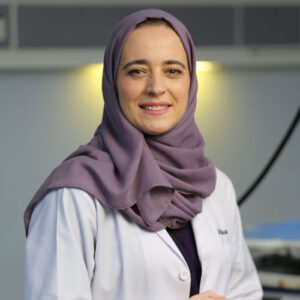
Doctor Razan Bader is a triple American boarded paediatric gastroenterologist and an advanced transplant hepatologist. She is also a graduate of the prestigious Misk Leaders 2030 program. In addition, she carries a Master of Public Health from the University of Californi Davis.