Trusted by
2M+ Beneficiaries



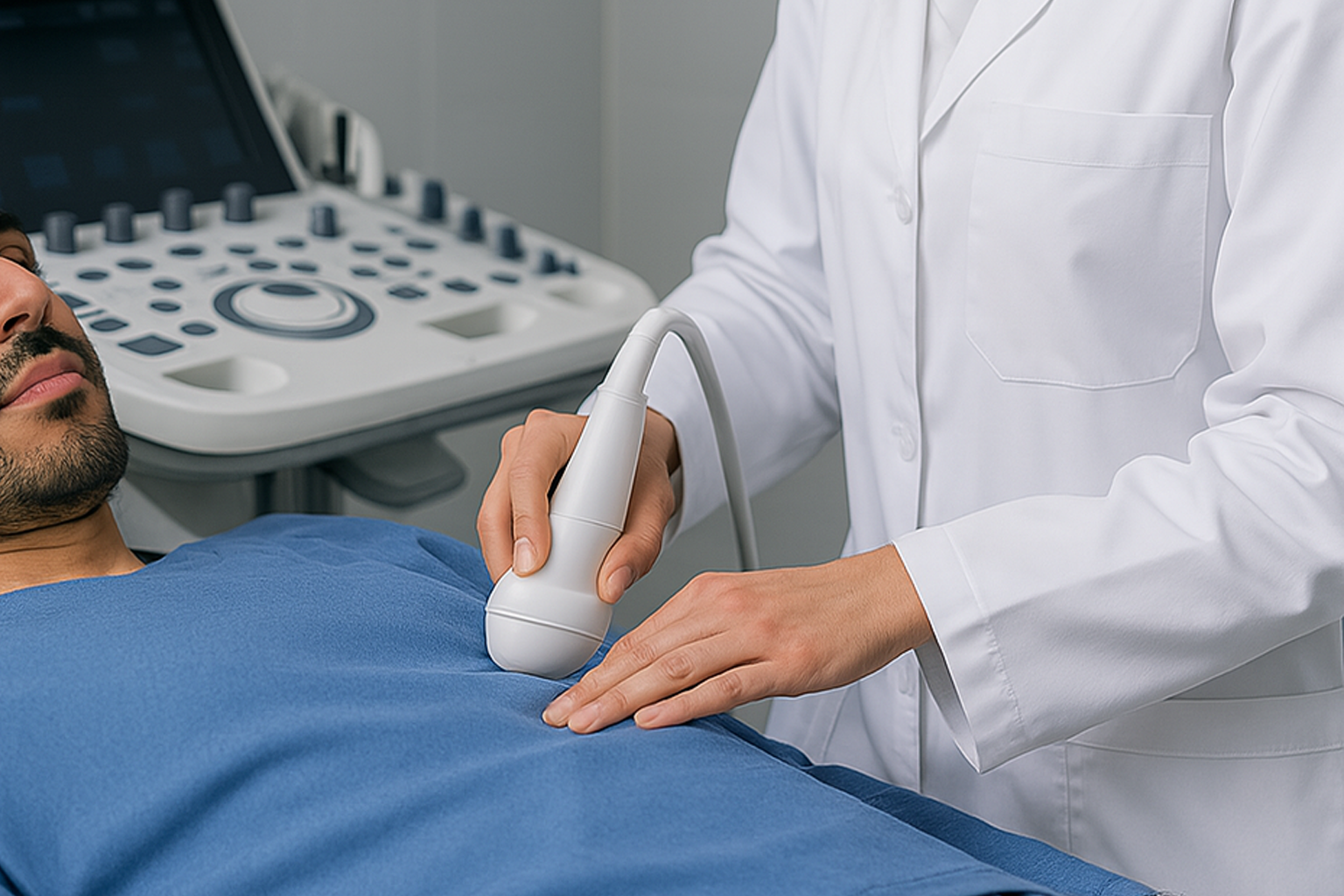
As a pediatric transplant surgeon, I specialize in treating children with kidney failure resulting from conditions such as posterior urethral valves (PUV), a prevalent congenital disorder in males that can lead to significant renal impairment. My objective is to educate parents and communities about PUV, its role in kidney failure, the surgical interventions available, and strategies for safeguarding children‘s renal health. PUV are anomalous tissue flaps within the urethra that obstruct urinary flow, affecting approximately 1 in 8,000 male neonates. This obstruction results in urine reflux into the bladder and kidneys, leading to abdominal or renal swelling (hydronephrosis), often detected via prenatal ultrasound, diminished urine stream or dribbling in infants, recurrent urinary tract infections (UTIs), and impaired growth due to renal stress. PUV is typically diagnosed through prenatal ultrasound or postnatally via diagnostic tests.
What do we know about PUV-Induced Kidney Failure
PUV exerts pressure on the kidneys, resulting in scarring and chronic kidney disease (CKD). Over time, this may progress to end-stage renal disease (ESRD), characterized by renal failure, fatigue, edema, hypertension, and growth retardation. Approximately 30–50% of boys with PUV develop ESRD, necessitating dialysis or transplantation. We address PUV with a multidisciplinary team to preserve renal function and, when necessary, restore health through transplantation. A minimally invasive procedure performed in infancy employs a small camera to excise the valves, alleviating obstruction. Early intervention is crucial for renal protection. Some patients require interventions to address urinary reflux or bladder dysfunction.
In cases of ESRD, I perform transplants, implanting a healthy donor kidney in the child‘s abdomen. Living-donor transplants (e.g., from parents) yield optimal outcomes. Notably, PUV does not recur in the transplanted kidney. Post-transplant, children receive immunosuppressive medications to prevent rejection and thrive with regular follow-up care.
Strategies for Kidney Health Preservation
Although PUV is congenital, early intervention can mitigate renal damage. Prenatal Screening with routine ultrasounds can identify PUV early, facilitating prompt postnatal treatment. We advise parents to seek medical attention for weak urine flow, frequent UTIs, or abdominal swelling in infants.
However, proper hygiene and hydration reduce infection risk, antibiotics may be prescribed. In few cases, a regular consultation with a pediatric nephrologist assesses renal function through blood tests, urine analyses, and blood pressure monitoring might be necessary. With a balanced, low-sodium diet and avoidance of nephrotoxic medications like ibuprofen support renal health the PUV would have a better outcome.
While PUV presents challenges, early surgical intervention and transplantation offer children a promising future enabling them to engage in activities such as playing, learning, and growing. As transplant surgeons, we have witnessed boys transition from dialysis to participating in sports like soccer.

Doctor Mansour is a dual canadian board-certified consultant in General and Paediatric Surgery. He has completed his advanced fellowship in multi-visceral transplantation in canada. Mansour has previously severed as an executive director of medical affairs and chief executive director of King Fahad Specialist Hospital in Dammam. Mansour is a board member of many public serving organizations.